

Why Stoves Electric Are the Green Choice
A Brooklyn co-op has replaced 49 gas stoves including induction and radiant models, with electric ones. The switch will reduce the cost for the cooperative and eliminate expensive gas line repairs, inspections and Local Law 97 requirements.
As opposed to gas stoves and stoves, electric stoves release no carbon dioxide or other harmful emissions when they are in use. The energy that powers your electric stove is generated by renewable sources like wind or solar.
They are safer
Many homeowners were hesitant to switch their gas stoves to electric ones in the past. This was because of the fear created by pundits and politicians who claimed that bureaucrats from the government were going to pry gas stoves from their walls. However, electric stove heater reviews is that there are a lot of benefits to going electric instead of gas. These include a sleek design and a lower price at the start. They are also easy to clean and are more efficient in energy use.
Consumer reports suggest that gas stoves release pollutants which are detrimental to health. These pollutants can irritate airways and aggravate asthma especially in children. They also contribute to greenhouse gases and outdoor pollution. This has led to increased concerns regarding the dangers of gas stoves, and some cities are limiting their use in new construction homes. More people are installing electric stoves at home.
Gas stoves can be more expensive to operate than electric stoves due to the fact that they require gas pipes and are not as energy efficient. Additionally, they can be prone to breakdowns and require regular maintenance. On the other side, electric stoves provide superior reliability and are energy-efficient. They also have more precise temperature control and are able to run in power outages. They are also easier to clean because they do not have grates that could become blocked by food particles.
It is ultimately up to each homeowner to choose which stove they want to install in their home. It is crucial to keep in mind that electric stoves are most well-known. The decision to make should be according to the individual's personal preferences and home configuration.
There are three types of electric stoves: coil top, glass-top, and induction. The two first types are identical in that they use 120 volts of electricity to heat the burners. Induction stoves differ from traditional electric stoves because they employ magnetic technology instead of metal coils to heat cookware. Induction stoves are more expensive than coil stoves, but they are also more efficient with energy.
It is more efficient
There are numerous reasons to switch from the gas stove to an electric one, including their greater efficiency. Electric stoves are more expensive at first however they can save you money in the end because of their lower operating costs. They also have a lower carbon footprint. This makes them an excellent choice for a green home.
The way stoves electric use energy is also more sustainable than gas stoves. Electric stoves make use of electricity generated by renewable sources, such as solar or wind power, while gas stoves rely on natural gas that can be extracted through the process of fracking. Furthermore electric stoves do not emit any of the combustion byproducts gas stoves emit.
While the click the hiss and glow of a blue flame is appealing to cooks of all kinds, the truth is that it comes with hidden costs for both humans and the environment. A variety of studies have confirmed that natural gas stoves are harmful to the human body as well as the environment. Luckily, top tier chefs like Tu David Phu are switching to electric stoves and encouraging others to follow suit.
With a gas stove the energy that produces the blue flame is released into the atmosphere and is responsible for the emission of heat that cause climate change. This is because natural gas has to be extracted from the ground, and during that process, it releases methane into air. In addition methane leaks can occur at every step of the supply chain, from production to delivery.
When cooking on a gas stove, the chemical combustion products of the natural gas burn in the air, releasing ultrafine particles and gases into the air. These pollutants can irritate and worsen asthma symptoms in children. Additionally, the combustion of gas produces nitrogen oxide, which causes respiratory issues and is harmful if breathed in.
Electric stoves, on the other hand, do not emit these chemicals into the atmosphere. Although the electricity that powers electric stoves could be sourced from coal, innovations in solar and wind energy make this a more sustainable option. Furthermore, a new generation of electric cooktops are so efficient that they not only reduce household bills, but they will also lower your environmental footprint.
It is less expensive
Generally speaking electric stoves are generally less expensive than gas ones. Electric stoves are more affordable initially and have lower running costs due to their advanced technology. They can also be used during a power failure. please click the next post are also safer to use since they use heated coils or burner surfaces instead of open flames. This feature is especially helpful in homes with children, who might be enticed to play with knobs or stick their hands into hot spots.
Another benefit of electric stoves is that it's easier to clean. Instead of multiple grates they have a single, smooth surface that's easy to clean. Additionally the heat can be measured on a dial, making it easier to know exactly what temperature you're cooking. This could be a disadvantage because it could take time to adjust to the level of heat.
It's also important to note that gas stoves emit pollutants into the air, which could affect people's health. While the gas industry claims that these emissions are safe but federal agencies are looking into stricter regulations to lessen their impact on the quality of indoor air and climate change. These changes could result in a ban of gas stoves in the future.
Gas stoves need a gas line in order to function, and most homeowners don't have one. It is possible to put in one, but this can be time-consuming and costly. However, electric stoves only require a power outlet which is what most homes already have. They are an excellent choice for older homes and those with a tighter budget.
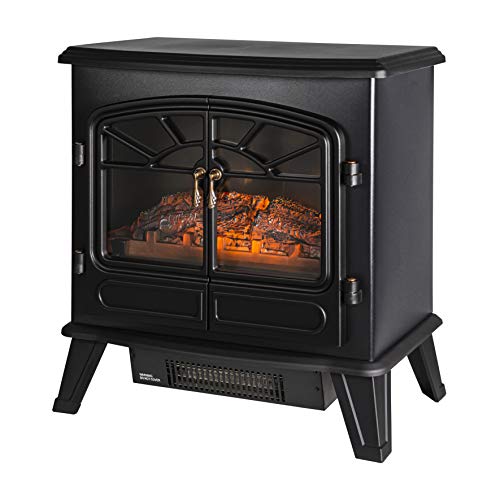
In addition, many are eligible for rebates on energy efficient electric appliances, like stoves. This program is part of the IRA's High-Efficiency Electric Home Rebate. It is not yet launched, but it will be accessible in the majority of states by the end of the year. These rebates will make switching to electric cooktops a more affordable option for a large number of people. Additionally electric stoves are less expensive than gas stoves in the long run and can also aid in reducing the cost of energy for households.
They are environmentally friendly
When it comes to lowering carbon emissions, stoves electric are the best option. Gas stoves release toxic poisons like carbon monoxide nitrogen dioxide, and benzene, which are linked to health issues like dizziness, headaches, confusion, nausea and breathing problems. They also contribute to indoor pollution, which can lead to a higher incidence of asthma among children.
Thankfully this is driving gas stoves out of homes in favor of more efficient electric cooktops. Electric ranges are not only cheaper to operate than gas stoves however, they're also better for the environment. Unlike gas stoves, which rely on natural gas, electric stoves operate on electricity derived from renewable sources. This makes them an eco-friendly option for any household.
Electric stoves are also safer than gas stoves. Because they don't have an open flame, they are safer than gas stoves and don't produce more smoke. They can also cook larger items like stockpots, more quickly and more evenly than gas stoves. just click the next website page cool faster than the gas stove. This means that pots and pans will not ignite, which is important for families with children or elderly people.
It is important to think about the environment when choosing an electric stove. While it's true that the energy that powers an electric stove is derived from fossil fuels, this isn't as bad as it may sound. It is actually a much safer form of energy than coal or oil. Furthermore the electricity you use to power your stove could be sourced from wind or solar energy which are both renewable forms of energy.
Many cities prohibit gas hookups on new buildings despite the fact that the government doesn't regulate the indoor air pollution emitted by gas stoves. The government offers rebates of billions of dollars to help consumers to switch to electric stoves. These incentives, along with greener technology that is more efficient, mean that electric stoves are now more affordable and well-known than ever before.